

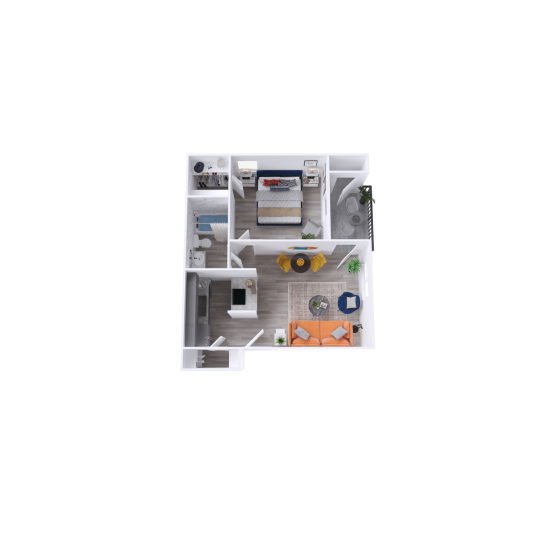
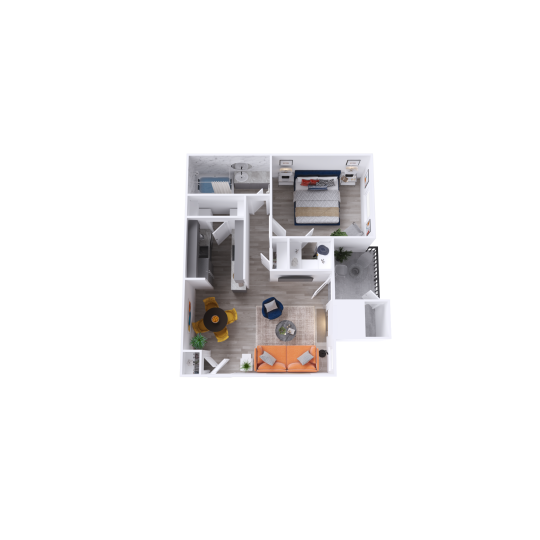
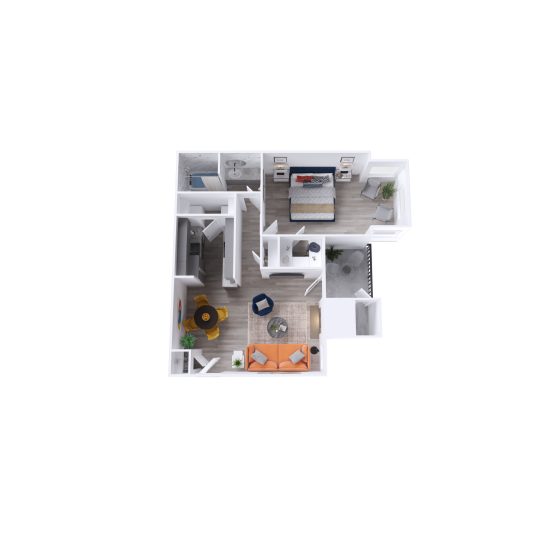
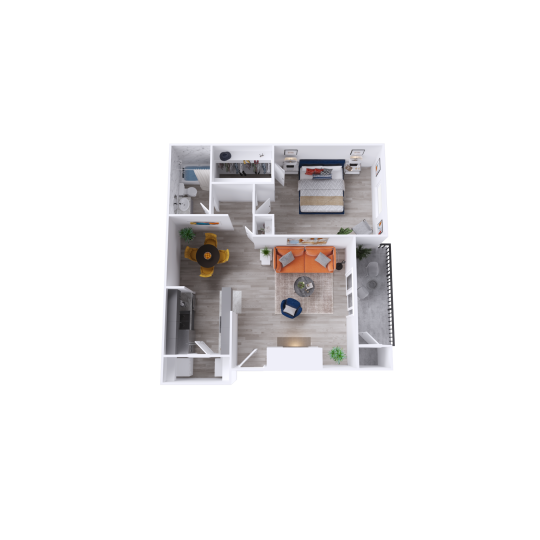
At Richmond, a pet-friendly apartment community at 19251 Preston Road in Dallas, the stated pet costs are a $400 non-refundable pet fee per pet and $25 monthly pet rent per pet, with a maximum of two pets per apartment home. Because pet policies can include breed and weight restrictions and can change over time, the most reliable next step is to confirm the current rules directly with the leasing office before you apply.
For renters searching Pet Fees at Apartments Near UT Dallas, that gives you a concrete baseline to compare with other communities near the university. UT Dallas is in Richardson, and Richmond states that the university is approximately 5 miles away, so this is the kind of nearby option where pet costs may be part of the same decision as commute, parking, and day-to-day pet routine.
What to compare in a pet policy, beyond the headline fee
The easiest mistake in a pet search is to compare only the upfront charge. In practice, renters usually need to look at four separate items: the one-time pet fee, any refundable or non-refundable pet deposit, monthly pet rent, and the maximum number of pets allowed. A community with a lower move-in pet charge can still cost more over a full lease if its monthly pet rent is higher.
At Richmond, the established policy points are clear on the basics that matter most to budgeting: up to two pets are allowed, the fee is non-refundable, and there is monthly pet rent in addition to the one-time charge. That matters if you are planning for the full first-year cost of a dog or cat, not just the amount due at move-in. If you have two pets, your total cost structure changes materially because both the fee and monthly rent are charged per pet.
Restrictions are just as important as price. Many apartment communities near major universities accept pets in principle but limit certain breeds, impose weight caps, or require documentation before move-in. Those details can affect whether an apartment is realistically an option for your household, even if the published fee looks manageable. If you have a larger dog, a restricted breed, or a mixed breed whose paperwork is unclear, verify approval before you pay application costs.
It is also worth asking how the property handles pet paperwork and timing. Richmond’s published FAQ advises residents to have pet fees paid and required pet paperwork completed before a pet joins the household. That is useful because it tells you the approval process is not only about paying a fee. When you call, ask what documents are needed, whether there are vaccination requirements, and whether approval must be completed before lease signing or only before move-in.
How Richmond fits a UT Dallas renter’s pet routine
If you are a UT Dallas student, staff member, or nearby commuter, location affects pet ownership in practical ways that go beyond cost. Richmond states that UT Dallas is approximately 5 miles away, which can make it easier to return home between classes, labs, or office hours than from a community much farther away. For pet owners, that can matter if you need midday walks, medication timing, or a quicker trip home after a long campus day.
On-site pet features also matter because they reduce friction in daily routines. Richmond identifies itself as a pet-friendly community and lists a dog park among its community amenities. Its FAQ also references on-site pet amenities and pet relief areas. For a dog owner, that can be more useful than a long list of general amenities because it affects the first walk of the morning, late-night bathroom breaks, and rainy-day convenience.
There is a practical trade-off to consider here. A pet-friendly policy and a dog park can make daily life easier, but they do not eliminate the need to verify the exact rules that apply to your specific animal. A community can be welcoming to pets overall and still have restrictions that matter to your household. That is why the right comparison is not simply “allows pets” versus “doesn’t allow pets,” but whether the full combination of fees, rules, and pet amenities fits your routine.
Parking can also be part of the pet decision if you drive to campus or to off-campus work. Richmond states that open parking is available, with reserved carports offered for $50 per month based on availability. That is not a pet fee, but it can affect your monthly housing budget in the same way pet rent does. If you are comparing several communities near UT Dallas, add parking charges and pet charges together so you are looking at the real monthly total rather than evaluating each cost in isolation.
Questions to ask before you choose an apartment near UT Dallas for a pet
Start by asking for the complete current pet policy in writing. Specifically confirm the one-time fee, whether any portion is refundable, the monthly pet rent, the maximum number of pets, and any breed or weight restrictions. If you have two animals, ask the leasing team to state the total amount due at move-in for both pets so there is no ambiguity.
Next, ask how the community defines and reviews restricted breeds. This matters because policies are not always interpreted the same way from property to property. If your dog is a mix, ask whether the property relies on veterinary records, adoption paperwork, photos, or another review method. Getting a clear answer before you apply can save time and avoid paying for an apartment that will not approve your pet.
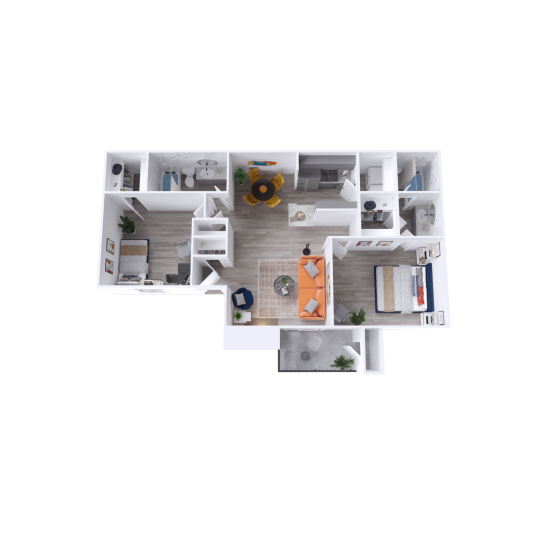
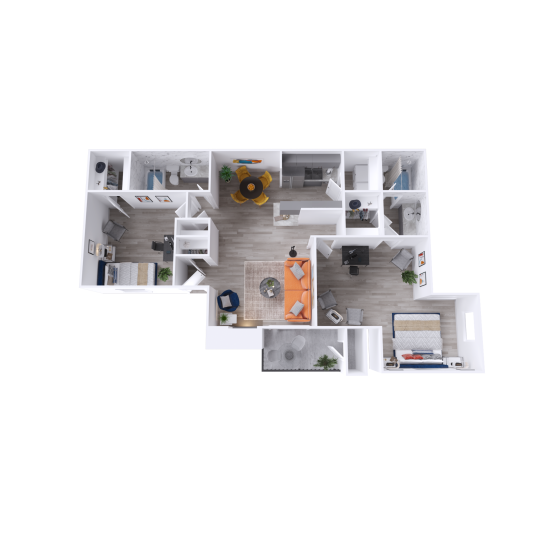
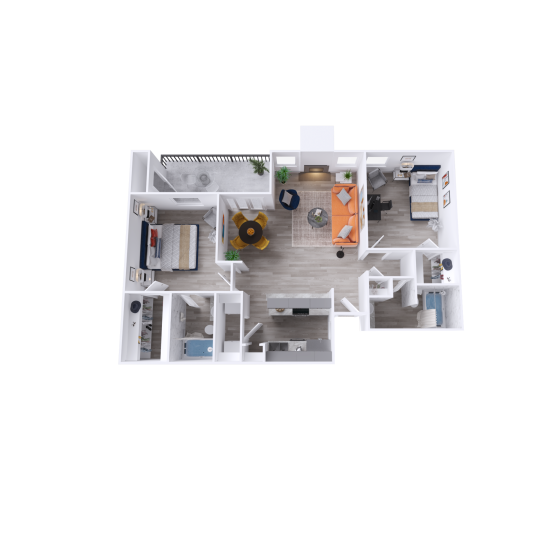
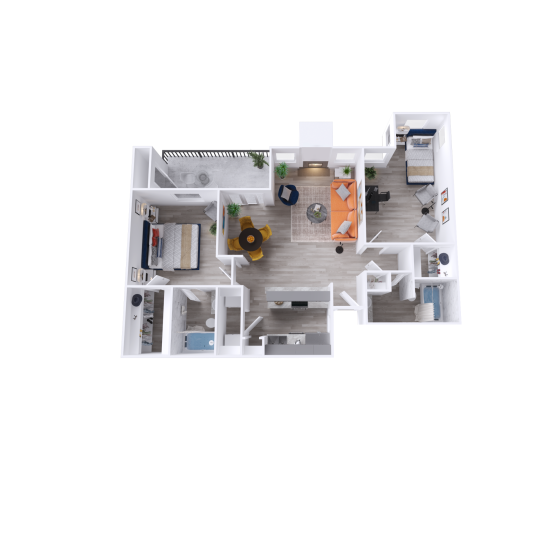
Then, look at the daily routine rather than only the lease documents. Ask where the relief areas are, whether the dog park is fenced, and how close available apartments are to pet-use areas. If you are choosing between one-bedroom and two-bedroom homes, think about how your pet uses space, where food and crates will go, and whether a patio or balcony would help your routine. Richmond offers one- and two-bedroom layouts, and private patios and balconies are listed among resident amenities, but those details should be confirmed for the specific apartment home you are considering.
Finally, if Richmond is on your shortlist because you want to stay near UT Dallas, call the leasing office with a very specific checklist rather than a general question about whether pets are allowed. Ask them to confirm the current pet fees, your pet’s eligibility, and whether the apartment you want is close to the pet areas that matter most to you. That kind of call is usually the fastest low-pressure way to decide whether this community fits both your campus routine and your pet budget.